Discourses From the East

(In the context of contemporary Indian ruling politics)
In this short piece, Harekrishna Deka expresses what he believes the current political scenario to be. He summarises his thoughts in few sharp points in both Assamese and English.
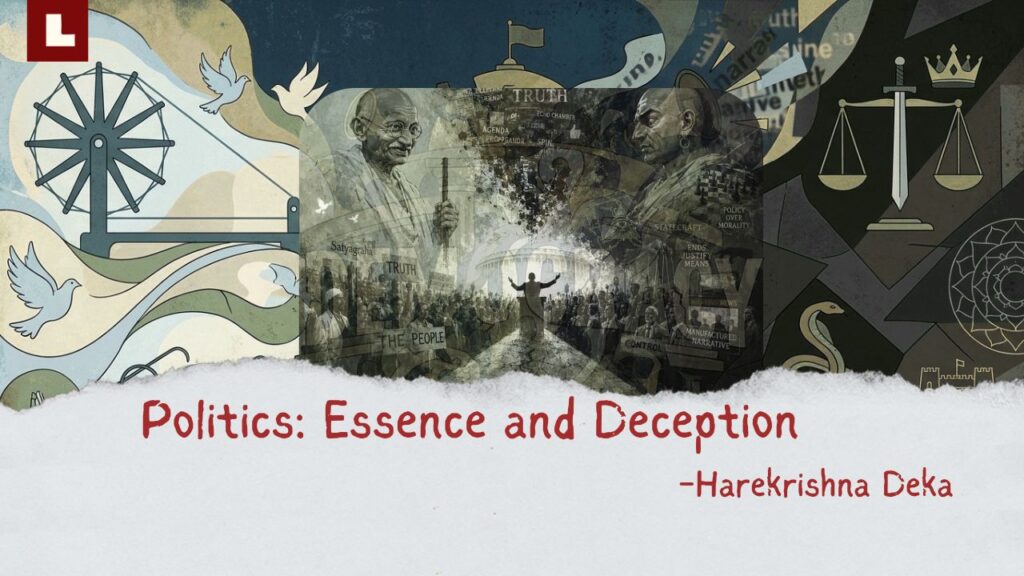
Politics is the art of managing public life. Its core meaning is not merely to rule, but to establish justice and equality in society. However, when politics is reduced to a “numbers game of power,” its essence is gradually overshadowed by cunning.
The Dialectics of Philosophy: Kautilya vs. Gandhi
Two schools of thought remain vibrant in the foundation of Indian politics. Kautilya’s Arthashastra teaches pragmatic politics, where strategies like sama, dana, danda, bheda (conciliation, gift, punishment, and division) are paramount. On the other hand, Gandhi’s politics believed in the purity of “means and ends.” In today’s Indian politics, there is a trend of sacrificing morality in the name of this pragmatism. When strategy becomes the only dharma, the essence of politics is lost.
Emotion vs. Fact: The New Trend of Modern Politics
The influence of the “Post-truth” era is evident in current politics.
The Alternative to Facts: In policy-making, emotional propaganda is given more importance than scientific or evidence-based perspectives.
Algorithm Politics: Through the dissemination of personalized information on social media, public opinion is being polarized. It is not just shaping public opinion; it is transforming society into “Echo Chambers” where there is no space for opposing views.
Institutional Decay and Democratic Balance
The nature of democracy depends on the independence of its institutions.
Institutional Neutrality: The ongoing debate surrounding the Election Commission, investigative agencies (ED, CBI, IT), and the Supreme Court has placed a question mark on the foundation of democracy. When investigative agencies become active only against the opposition and remain passive toward the ruling party, public faith in the rule of law diminishes.
Parliamentary Tradition: The trend of passing bills based solely on numerical majority instead of debate in Parliament has narrowed the scope of democratic discourse.
Propaganda vs. Reality of Economy
A dual image of the Indian economy exists.
Positive: Digital infrastructure (UPI), highway construction, and the expansion of major welfare schemes.
Hard Truth: Simultaneously, the problem of unemployment (especially among the youth), K-shaped recovery (where the rich get richer while the income of the middle or lower classes remains stagnant), and the lack of transparency in government statistics have raised questions about economic development. Covering up these harsh realities through propaganda is a form of political deception.
Politicization of Religion and Nationalism
Nationalism is a sacred concept, but when used as a weapon to suppress rivals, it becomes synonymous with “intolerance.” Using religious identity as electoral capital has weakened the fabric of interpersonal trust in society.
Conclusion: The Role of the Conscious Citizen
Democracy is not just a process of voting every five years; it is a continuous process. To counter political deception, we need:
1. The Courage to Question: Raising rational questions instead of blind support.
2. Responsibility of the Media: The media must break free from the role of “government spokesperson” to become the “watchdog of democracy.”
3. Constitutional Values: Accepting the Constitution not just as a book, but as a guiding light for life.
Today’s India needs a powerful “politics of essence,” where power is secondary, but the dignity and rights of every citizen are primary. Raising civic awareness and awakening the conscience is the only answer to defeat political deception.
Recently, a movement named the Cockroach Janata Party has taken to the streets after receiving widespread response on digital media. The new generation has connected with this movement. Their voices have become vocal against the widespread conspiratorial corruption in the examination and education system. Efforts by the government to completely ignore this are also visible. The government might temporarily push it underground through harsh suppression, but a day will come when it will become more complex. It might then transform into a massive movement. It will then be difficult to impede its momentum by resorting to religious fanaticism.
Author

ৰাজনীতি: সত্তা আৰু শঠতা
(সাম্প্ৰতিক ভাৰতীয় শাসকীয় ৰাজনীতিৰ প্ৰেক্ষাপটত)
ৰাজনীতি হৈছে জনজীৱন পৰিচালনাৰ শিল্প। ইয়াৰ মূল অৰ্থ কেৱল শাসন কৰাটো নহয়, বৰঞ্চ সমাজত ন্যায় আৰু সাম্য প্ৰতিষ্ঠা কৰাহে। কিন্তু যেতিয়া ৰাজনীতি কেৱল ‘ ক্ষমতাৰ অংক ‘ ত পৰিণত হয়, তেতিয়া ইয়াৰ সত্তা (Essence) ক্ৰমাৎ শঠতা (Cunning)-ৰ দ্বাৰা আচ্ছন্ন হয়।
১. দৰ্শনৰ দ্বান্দ্বিকতা : কৌটিল্য বনাম গান্ধী
ভাৰতীয় ৰাজনীতিৰ আধাৰত দুটা ধাৰা আজিও সজীৱ। কৌটিল্যৰ ‘অৰ্থশাস্ত্ৰ’ই প্ৰয়োগবাদী (Pragmatic) ৰাজনীতিৰ শিক্ষা দিয়ে, য’ত ‘সাম, দান, দণ্ড, ভেদ’ৰ দৰে কৌশলৰ গুৰুত্ব অপৰিসীম। আনফালে, গান্ধীৰ ৰাজনীতি আছিল ‘সাধ্য আৰু সাধন’ৰ শুদ্ধতাত বিশ্বাসী। আজিৰ ভাৰতীয় ৰাজনীতিত এই প্ৰয়োগবাদৰ নামত নৈতিকতাক বিসৰ্জন দিয়াৰ প্ৰৱণতা দেখা গৈছে। যেতিয়া কৌশলেই ধৰ্ম হৈ পৰে, তেতিয়া ৰাজনীতিৰ সত্তা হেৰাই যায়।
২. আৱেগ বনাম তথ্য: আধুনিক ৰাজনীতিৰ নতুন ধাৰা
বৰ্তমানৰ ৰাজনীতিত ‘Post-truth’ (সত্যোত্তৰ) যুগৰ প্ৰভাৱ স্পষ্ট।
তথ্যৰ বিকল্প : নীতি -নিৰ্ধাৰণৰ ক্ষেত্ৰত বৈজ্ঞানিক বা তথ্যভিত্তিক দৃষ্টিভংগীৰ সলনি আৱেগিক প্ৰচাৰক অধিক গুৰুত্ব দিয়া হৈছে ।
অ্যালগৰিদমৰ ৰাজনীতি : সামাজিক মাধ্যমত ব্যক্তিগতকৃত (Personalized) তথ্য প্ৰেৰণৰ জৰিয়তে জনমতক বিভাজিত কৰা হৈছে । ই কেৱল জনমত গঠন কৰা নাই , বৰঞ্চ সমাজক ‘ইকো চেম্বাৰ’ (Echo Chamber) লৈ ৰূপান্তৰিত কৰিছে , য’ত বিপৰীত মতৰ কোনো ঠাই নাই।
৩. প্ৰতিষ্ঠানিক অৱক্ষয় আৰু গণতান্ত্ৰিক ভাৰসাম্য
গণতন্ত্ৰৰ স্বৰূপ নিৰ্ভৰ কৰে ইয়াৰ প্ৰতিষ্ঠানসমূহৰ স্বাধীনতাৰ ওপৰত ।
প্ৰতিষ্ঠান সমূহৰ নিৰপেক্ষতা : নিৰ্বাচন আয়োগ , তদন্তকাৰী সংস্থা (ED, CBI, IT) আৰু উচ্চতম ন্যায়ালয়ক লৈ চলি থকা বিতৰ্কই গণতন্ত্ৰৰ ভেটিত প্ৰশ্নবোধক চিহ্ন আঁকিছে। যেতিয়া তদন্তকাৰী সংস্থা কেৱল বিৰোধীৰ বাবে সক্ৰিয় হয় আৰু শাসকীয় পক্ষৰ বাবে নিৰ্লিপ্ত হৈ পৰে , তেতিয়া আইনৰ শাসনৰ ওপৰত জনবিশ্বাস হ্ৰাস পায় ।
সংসদীয় পৰম্পৰা : সংসদত বিতৰ্কৰ সলনি কেৱল সংখ্যাগৰিষ্ঠতাৰ ভিত্তিত বিধেয়ক গৃহীত কৰাৰ প্ৰৱণতাই গণতান্ত্ৰিক আলোচনাৰ পৰিসৰ সংকুচিত কৰিছে ।
৪. অৰ্থনীতিৰ প্ৰচাৰ বনাম বাস্তৱ
ভাৰতীয় অৰ্থনীতিৰ এক দ্বৈত ছবি বিদ্যমান ।
ইতিবাচক : ডিজিটেল আন্তঃগাঁথনি (UPI), হাইৱে নিৰ্মাণ আৰু বৃহৎ কল্যাণমূলক আঁচনিৰ প্ৰসাৰ ।
চৰম সত্য : কিন্তু একে সময়তে নিবনুৱা সমস্যা (বিশেষকৈ যুৱ সমাজৰ মাজত ), কে-ছেপড ৰিকভাৰী (K – shaped recovery – য’ত ধনী অধিক ধনী হৈছে আৰু মধ্যবিত্ত বা নিম্নবিত্তৰ আয় স্থবিৰ হৈছে ) আৰু চৰকাৰী পৰিসংখ্যাৰ স্বচ্ছতাৰ অভাৱে অৰ্থনৈতিক উন্নয়নক প্ৰশ্নৰ মুখত পেলাইছে । প্ৰচাৰৰ জৰিয়তে এই কঠোৰ বাস্তৱক ঢাকি ৰখাটো এক ধৰণৰ ৰাজনৈতিক শঠতা।
৫. ধৰ্ম আৰু জাতীয়তাবাদৰ ৰাজনীতিকৰণ
জাতীয়তাবাদ এক পবিত্ৰ ধাৰণা, কিন্তু ইয়াক যেতিয়া প্ৰতিদ্বন্দ্বীক দমন কৰাৰ অস্ত্ৰ হিচাপে ব্যৱহাৰ কৰা হয়, তেতিয়া ই ‘অসহিষ্ণুতা’ৰ নামান্তৰ হৈ পৰে। ধৰ্মীয় পৰিচয়ক নিৰ্বাচনী মূলধন হিচাপে ব্যৱহাৰ কৰাৰ ফলত সমাজৰ আন্তঃসম্পৰ্কীয় বিশ্বাসৰ গাঁথনি দুৰ্বল হৈছে।
উপসংহাৰ : সচেতন নাগৰিকৰ ভূমিকা
গণতন্ত্ৰ কেৱল ৫ বছৰৰ মূৰে মূৰে ভোট দিয়াৰ প্ৰক্ৰিয়া নহয়। ই এক নিৰন্তৰ প্ৰক্ৰিয়া। ৰাজনীতিৰ শঠতাক প্ৰতিহত কৰিবলৈ প্ৰয়োজন:
প্ৰশ্ন কৰাৰ সাহস : অন্ধ সমৰ্থনৰ বিপৰীতে যুক্তিবাদী প্ৰশ্ন তোলা।
সংবাদমাধ্যমৰ দায়িত্ব : সংবাদমাধ্যমক ‘চৰকাৰী প্ৰবক্তা’ৰ ভূমিকাৰ পৰা মুক্ত হৈ ‘গণতন্ত্ৰৰ প্ৰহৰী’ হোৱা ।
সাংবিধানিক মূল্যবোধ : সংবিধানক কেৱল এখন কিতাপ হিচাপে নহয় , জীৱনৰ পথপ্ৰদৰ্শক হিচাপে গ্ৰহণ কৰা।
আজিৰ ভাৰতৰ প্ৰয়োজন এক শক্তিশালী ‘সত্তাৰ ৰাজনীতি’ , য’ত ক্ষমতা গৌণ কিন্তু প্ৰত্যেক নাগৰিকৰ মৰ্যাদা আৰু অধিকাৰ মুখ্য । ৰাজনীতিৰ শঠতাক পৰাজিত কৰিবলৈ নাগৰিকৰ সজাগতা আৰু বিবেকৰ জাগৰণেই একমাত্ৰ উত্তৰ।
সম্প্ৰতি ককৰোচ জনতা পাৰ্টীৰ নামৰ আন্দোলন এটাই ডিজিটেল মেডিয়াত ব্যাপক সঁহাৰি পোৱাৰ পিছত ৰাজপথলৈ নামি আহিছে । এই আন্দোলনৰ লগত নৱ -প্ৰজন্ম সংযুক্ত হৈছে । শিক্ষাৰ পৰীক্ষা পদ্ধতিৰ ব্যাপক ষড়যন্ত্ৰ – মূলক দুৰ্নীতিৰ বিৰূদ্ধে এওঁলোকৰ কণ্ঠ সৰৱ হৈ পৰিছে । ইয়াক সম্পূৰ্ণ আওকাণ কৰাৰ চৰকাৰী প্ৰয়াসো দেখা গৈছে । চৰকাৰে কঠোৰ দমনেৰে ইয়াক হয়তো ভূগৰ্ভলৈ সাময়িক ভাৱে পঠিয়াই দিব পাৰে , কিন্তু এটা দিন আহিব যেতিয়া ই অধিক জটিল হৈ পৰিব । ই তেতিয়া হয়তো এটা ব্যাপক আন্দোলনলৈ ৰূপান্তৰিত হ’ব । ধৰ্মান্ধতাৰ আশ্ৰয় লৈ তেতিয়া ইয়াৰ গতিৰোধ কৰা কঠিন হব ।