Discourses From the East
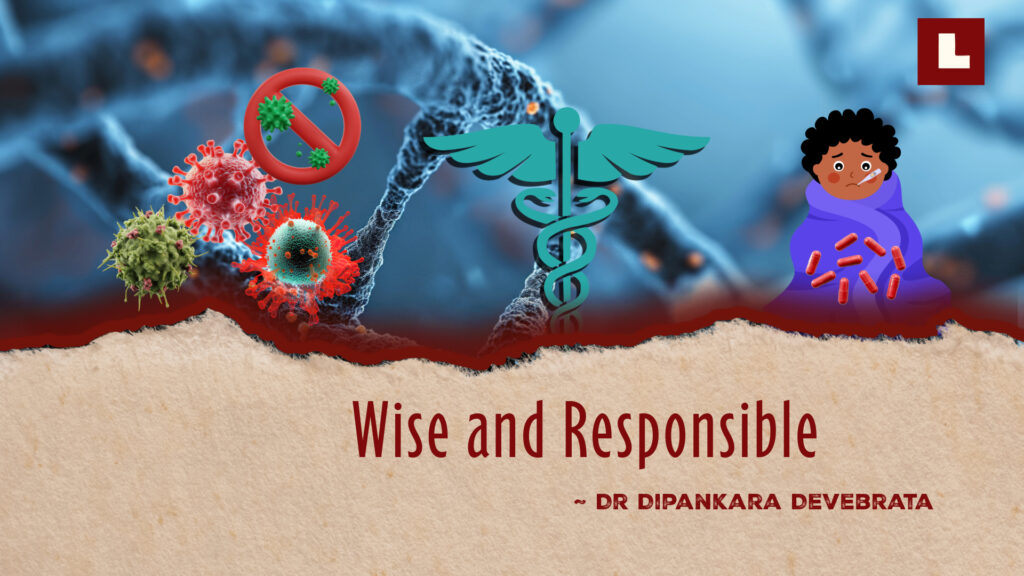

Antimicrobial resistance (AMR) is one of the most pressing and complex issues facing the world today. AMR occurs when microorganisms causing diseases no longer respond to the drugs designed to treat them. It a rapidly rising global crisis which is making it hard to treat common infections resulting in prolonged illness as also disability and death. AMR is a serious concern in India due to the high prevalence of infectious diseases, misuse and overuse of antibiotics, self-medication and improper drug disposal. Although AMR impacts global health regardless of income levels, it lacks the immediate visibility and dramatic impact of a pandemic such as COVID. Hence the issue is failing to receive the attention and priority it deserves from the citizens.
According to the World Health Organization (WHO), AMR is one of the top 10 global health threats faced by humanity. AMR occurs when bacteria, viruses, fungi and parasites mutate and no longer respond to medicines. The consequences may range from prolonged illness, and hospital stays with increased healthcare costs to increased chances of morbidity and mortality. Drug-resistant TB is one of the clearest examples of Antimicrobial Resistance. Resource-limited populations bear a disproportionate burden of the effects of AMR.
Just like the fire and the wheel, the discovery of antibiotics(treat bacterial infections) is a rare time in human history that radically changed the course of events. Sir Alexander Fleming, a Scottish bacteriologist, discovered the first antibiotic, Penicillin, in 1928. Prior to the emergence of antibiotics, Humanity lived under the fear of epidemics/pandemics like plague and diseases like pneumonia, meningitis and tuberculosis carried high mortality. Surgical specialties flourished and antibiotics added years to human life. However, AMR threatens to turn the triumphs of modern medicine into the tragedies of the pre-antibiotic era.
18 to 24 November is World AMR Awareness Week with the theme “One Health, One Action: Prevent AMR Now”. It is a global campaign coordinated by the World Health Organization, dedicated to increasing awareness and understanding of antimicrobial resistance (AMR) and mobilising collective action to prevent the emergence, contain the spread and mitigate the growing threat of drug-resistant infections. This year’s theme emphasizes that human health, animal health, agriculture, food production and the environment are interdependent components of a single, interconnected ecosystem. Unless antimicrobial resistance is controlled and new drugs are developed to replace ineffective ones, microorganisms that cause minor illnesses today may become life-threatening in the future. The inappropriate use of antibiotics in livestock farming and human healthcare promotes the emergence of drug-resistant microorganisms, which can spread across species and ecosystems. Therefore, combating antimicrobial resistance (AMR) requires coordinated efforts and a unified approach across all sectors. Every infection prevented means one less reason to use antibiotics. AMR is everyone’s concern, and fighting it, is everyone’s responsibility. Handwashing is one of the simplest yet most effective ways by which children can contribute to combating antimicrobial resistance (AMR).
It has become a common practice among our citizens to self medicate antibiotics, use them for viral infections, not complete prescribed courses, share antibiotics and even consume leftover antibiotics. This practice is further encouraged by the easy availability of antibiotics without a valid prescription. Another major contributor to AMR is irrational prescriptions by doctors. It is estimated that more than two-thirds of medically important antimicrobials are used in animals, and AMR in livestock production systems is threatening not only animal welfare and agricultural productivity but also food safety and public health. Inappropriate disposal of unused and expired medicines remains an important but frequently neglected factor contributing to the development and spread of AMR.
Expired and unused antibiotics are often discarded with domestic solid waste, flushed down toilets, or poured into sinks and drains, resulting in the release of pharmaceutical residues into the environment. The lack of accessible disposal facilities and inadequate awareness about AMR drives this negligent behaviour. Discarded antimicrobials even though dilute, persist in aquatic and terrestrial ecosystems and reshape microbial communities. Over time, such low-level exposure drives the evolution and persistence of resistant strains. These can spread to humans through direct contact, agricultural practices and consumption of contaminated food. This often-overlooked cycle makes AMR a transboundary concern, with resistant microorganisms spreading across national borders through passage migrants, supply networks, and interconnected water systems.
A drug take back program if launched by the Government can be a highly effective tool to tackle AMR resulting from improper drug disposal. Providing designated collection points at pharmacies, hospitals and health establishments where citizens can return left over medicines with appropriate arrangements for safe storage and disposal through authorised channels should be considered. The increasing incidence and prevalence of chronic illnesses, such as diabetes mellitus, cardiovascular diseases, and other long-term conditions, have led to increased medicine consumption and storage at the household level. Changes in treatment regimens, non-adherence, medication intolerance, and discontinuation of therapy further contribute to household medicine accumulation. In addition, medicines may remain unused following recovery, changes in prescriptions, or the death of patients. Therefore, establishing a structured Drug Take-Back Program is essential to provide the public with a safe and convenient mechanism for returning unused, unwanted, and expired medicines.
With no mechanism to audit antibiotic prescriptions by doctors, the best practice would be self-assessment viz. Is the infection Bacterial? Is the antibiotic type, dose and duration correct? Has the patient’s recent antibiotic use, drug allergies, hospitalisation, use of immunosuppressive therapy and microbiology results for the previous 3 months been reviewed? Doctors should be incentivised for attending Periodic CME sessions on rational antibiotic use. More resources including medical professionals need to go into the research and development side. Broadly factors affecting decision to prescribe antibiotics in outdoor settings include perceptions, attitudes, and knowledge of the doctor, heavy patient workloads, colleagues’ influence and patients’ attitude towards antibiotics. Some Physicians may prescribe antibiotics to boost patient satisfaction in paid consultations. Nevertheless, strict legal requirements should mandate documenting the diagnosis and indication for antibiotics on every prescription.
The Government of India currently leads its AMR response through the National Action Plan on Antimicrobial Resistance 2.0. But it is only everyday choices like handwashing, food safety, using antibiotics only under medical supervision and proper unused medicine disposal that can help us win the fight against AMR. Only Wise consumption and Responsible prescription of antibiotics will keep them working in future.